
VSLA Training App e1671026289850
Training
Digital Transformation Innovation Project Implementation Technology Solutions Training

VSLA Digital Training App

Published by
2022
DanChurchAid (DCA)
View Resource

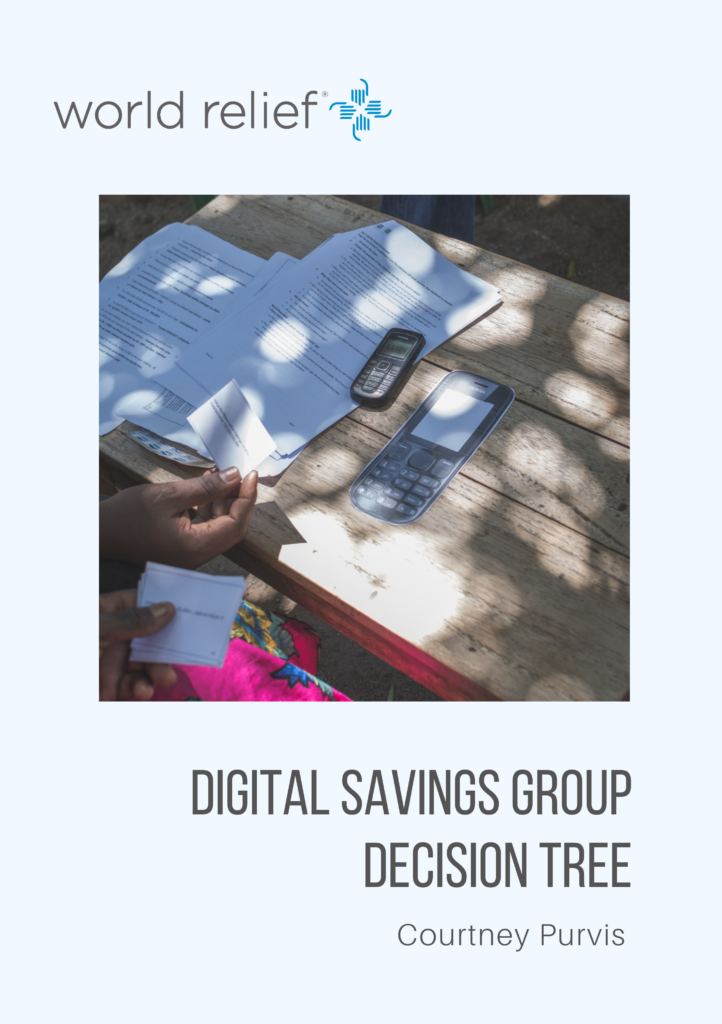
The VSLA Simulation Game App, developed with funding from FAHU Foundation, offers an alternative approach to training people in the use of the VSLA methodology. It includes a simulation of a full VSLA cycle as well as video trainings in important elements of the VSLA methodology, all of which is based on the “Field Officer Training Guide” published by VSL Associates. 

The app is free to use by everyone wanting to upgrade their training of VSLA group facilitators (main target group for the app) or others, whether as a complement to the regular manual or as a substitute. A guideline to the use of the app is found here.

The app can be used in both digital and paper-based savings groups.
Leave a Reply

View all comments

Related Resources

Read
Research
Project Implementation
Research
Project Implementation

Expanding Financial Inclusion in Africa: Ex-post Evaluation

Catholic Relief Services, Itad
2025

Expanding Financial Inclusion in Africa: Ex-post Evaluation

This brief presents findings from an ex-post evaluation of the Expanding Financial Inclusion in Africa (EFI) program, implemented by Catholic Relief Services. The study assesses the long-term sustainability of the Private Service Provider (PSP) model for Savings and Internal Lending Communities (SILC) in Uganda, highlighting continued group formation, increased savings, and challenges in network support and remuneration.
Read
Brief
Financial Inclusion Technology Solutions
Brief
Financial Inclusion Technology Solutions

Expanding Growth Opportunities for Women Entrepreneurs: Using VSLAs to Unlock Formal Credit

By Eric Kaduru, Tyler Tappendorf
CARE
2026

Expanding Growth Opportunities for Women Entrepreneurs: Using VSLAs to Unlock Formal Credit

This brief explores how CARE is using VSLA data, digital tools, and partnerships to help women entrepreneurs access formal credit. By digitizing savings group records and developing alternative credit scores, the approach creates pathways for women to transition from small group loans to larger, formal financing. Early pilot efforts in Uganda aim to demonstrate a scalable model for inclusive financial services and business growth.