
Hive COVER
Research
Digital Inclusion Digital Transformation Digitization Benefits Digitization Planning Financial Inclusion FinTech Program Quality Project Design Research Technology Solutions

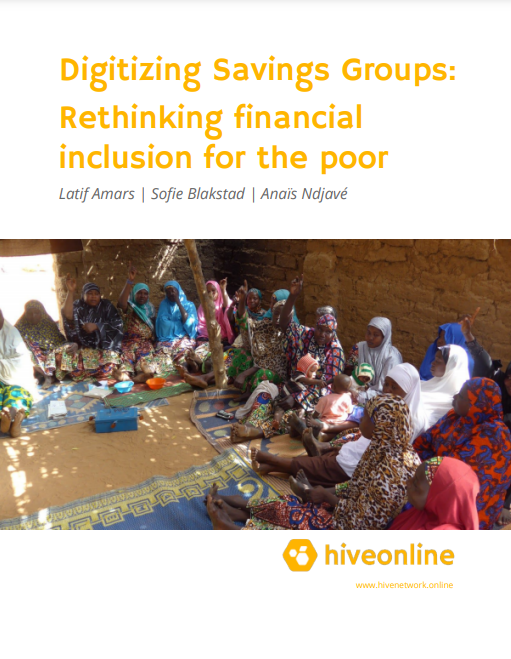
Digitizing Savings Groups: Rethinking Financial Inclusion for the Poor

Published by
Latif Amars, Sofie Blakstad & Anaïs Ndjavé
2021
hiveonline
View Resource

This white paper, from hiveonline, explores the case for digitizing savings groups. The paper examines the challenges of reaching remote, poor populations and provides a brief introduction to the history, scope, and basic elements of the Village Savings and Loan Association (VSLA) methodology.

The paper notes that digitization of savings groups can result in the rapid acceleration of financial inclusion in developing countries. It can help solve challenges related to liquidity and access to formal financial services, develop a thorough financial history for groups and members, expand access to other services and support, connect savings groups to each other, address challenges related to low levels of literacy, improve inclusivity and trust, and strengthen remote monitoring.
Leave a Reply

View all comments

Related Resources

Read
Brief
Digital Inclusion Gender
Brief
Digital Inclusion Gender

Closing Digital Gender Gaps: A Systems Framework for Connecting Women

By Simone Schaner, Erik Jorgensen, Rohini Pande, Emma Riley, Laura Barasa, Natalie Theys
Yale Inclusion Economics
2025

Closing Digital Gender Gaps: A Systems Framework for Connecting Women

This framework outlines how household dynamics, social norms, and structural inequalities shape women’s digital access—and offers a roadmap for gender-responsive digital inclusion.
Read
Research
Digital Inclusion Gender
Research
Digital Inclusion Gender

What Works to Close Digital Gender Gaps?

By Charity Troyer-Moore, Giorgia Barboni, Erica Field, Rohini Pande, Natalia Rigol, Simone Schaner, Erik Jorgensen, Hemawathy Balarama
Yale Inclusion Economics
2025

What Works to Close Digital Gender Gaps?

This brief from Yale Inclusion Economics examines two policy levers in India—smartphone distribution and digital literacy training—and finds that while free phones offer a short-term boost, it's digital skills that create lasting impact for women’s connectivity, confidence, and well-being.