Brief
Digital Inclusion Technology Solutions

How CARE is Using WhatsApp to Power Digital Innovation in Savings Groups

Published by
Eric Kaduru
2025
CARE
View Resource

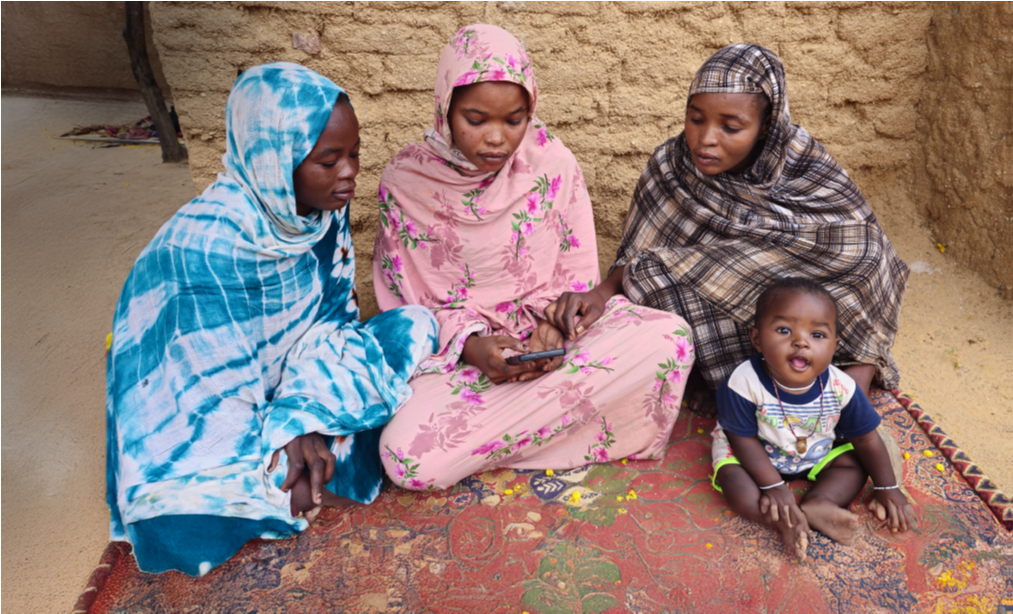
Across Africa, WhatsApp is emerging as more than just a messaging app—it’s becoming a dynamic tool for training, data collection, and peer-led learning. This three-part CARE brief series explores how VSLA members and Community-Based Trainers (CBTs) are using WhatsApp in creative, community-driven ways:

  • Part 1: WhatsApp Training – How voice notes, videos, and mobile messaging make financial literacy more inclusive
  • Part 2: WhatsApp for Data Collection – Testing polls, audio responses, and surveys as fast, low-cost ways to gather feedback
  • Part 3: WhatsApp Communities of Practice – How CBTs are leading their own learning networks and solving challenges in real time

Each brief offers practical lessons and real-world examples to guide implementers, donors, and digital inclusion advocates.
Leave a Reply

View all comments

Related Resources

Read
Training
Digital Financial Services Digital Inclusion Digital Literacy Digital Payments
Digital Literacy Training COVER
Training
Digital Financial Services Digital Inclusion Digital Literacy Digital Payments

Digital Literacy Training Guide: A Guide for Mobile Money Agents and Digital Literacy Change Agents

GSMA
2020

Digital Literacy Training Guide: A Guide for Mobile Money Agents and Digital Literacy Change Agents

The purpose of this training guide is to prepare mobile money agents and digital literacy change agents to educate people in their communities about the benefits of mobile money services and how to use them. The guide has seven modules with clear lesson plans and guidance for trainers. Participants will learn about the different ways […]
Read
Tool
Digital Inclusion Social Inclusion
Tool
Digital Inclusion Social Inclusion

The Value of Sharia-Compliant Savings Groups

Catholic Relief Services
2025

The Value of Sharia-Compliant Savings Groups

This brief from CRS explores how Sharia-compliant savings groups can expand financial inclusion in Muslim communities. By replacing interest with fixed fees, voluntary repayments, and group purchasing (Murabaha), these groups align with Islamic finance principles while still generating modest profit and fostering community trust. The model—successfully scaled in Niger—has seen strong acceptance from both members and religious leaders.