
Data Risks

This resource is designed to help development actors increase the effectiveness of digital tools and data, while reducing the risks and the potential for harm.

We often assume that data protection is the job of informational technology (IT) specialists. IT has a role to play, but so does operations staff. Operations staff determine what data to collect and why, while IT staff help ensure the systems used are as secure as possible. Too often our focus is only on the system, and we forget about reviewing risk in our data decisions.

This tool can be used by anyone to identify the risks – for organizations and end users – of collecting and processing personal data.

Leave a Reply

View all comments

Related Resources

Read
article
Consumer Protection Digital Inclusion Digital Literacy Digitization Planning
DFC Cover
article
Consumer Protection Digital Inclusion Digital Literacy Digitization Planning

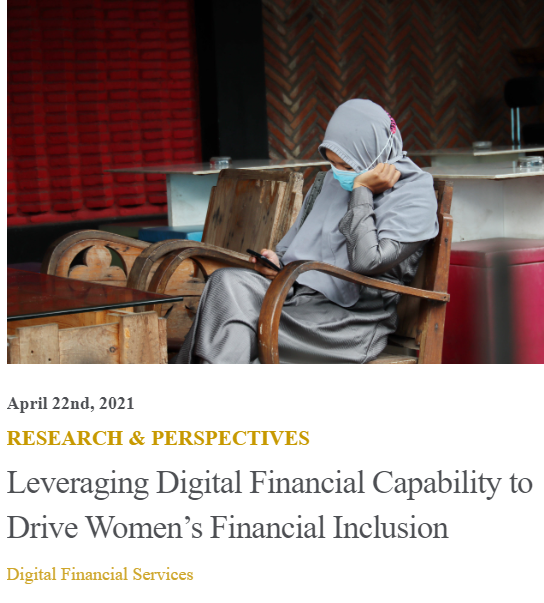
Leveraging Digital Financial Capability to Drive Women’s Financial Inclusion

By Marina Dimova & Julia Arnold
Women’s World Banking
2021

Leveraging Digital Financial Capability to Drive Women’s Financial Inclusion

This article explores digital financial capability (DFC) as a critical component of the digital transformation journey, especially for women. Financial capability must evolve to include DFC, so low-income women are not left behind. Research by CFI reveals that traditional financial literacy approaches are ineffective and women are particularly affected by social norms. In the same […]
Read
RESOURCE
Digital Inclusion Digital Transformation Digitization Planning Innovation
2023 01 31 07 27 56 6 Reasons Your Digital Innovations Can Fail to Reach Adoption and 3 more pages
RESOURCE
Digital Inclusion Digital Transformation Digitization Planning Innovation

6 Reasons Your Digital Innovations Can Fail to Reach Adoption

By Laura Scanlon
ICTworks
2023

6 Reasons Your Digital Innovations Can Fail to Reach Adoption

The article discusses six key reasons why a digital innovation product or service would fail to become widely used. They are related to organizational structure and capacity, unrealistic expectations, magpie mentality, first impressions, measurement, and founder dependency. The article also offers suggestions to bolster adoption of digital innovations, including creating a roadmap to adoption, giving […]