Brief
Digital Inclusion Digitization Planning Digitization Risks & Barriers Gender

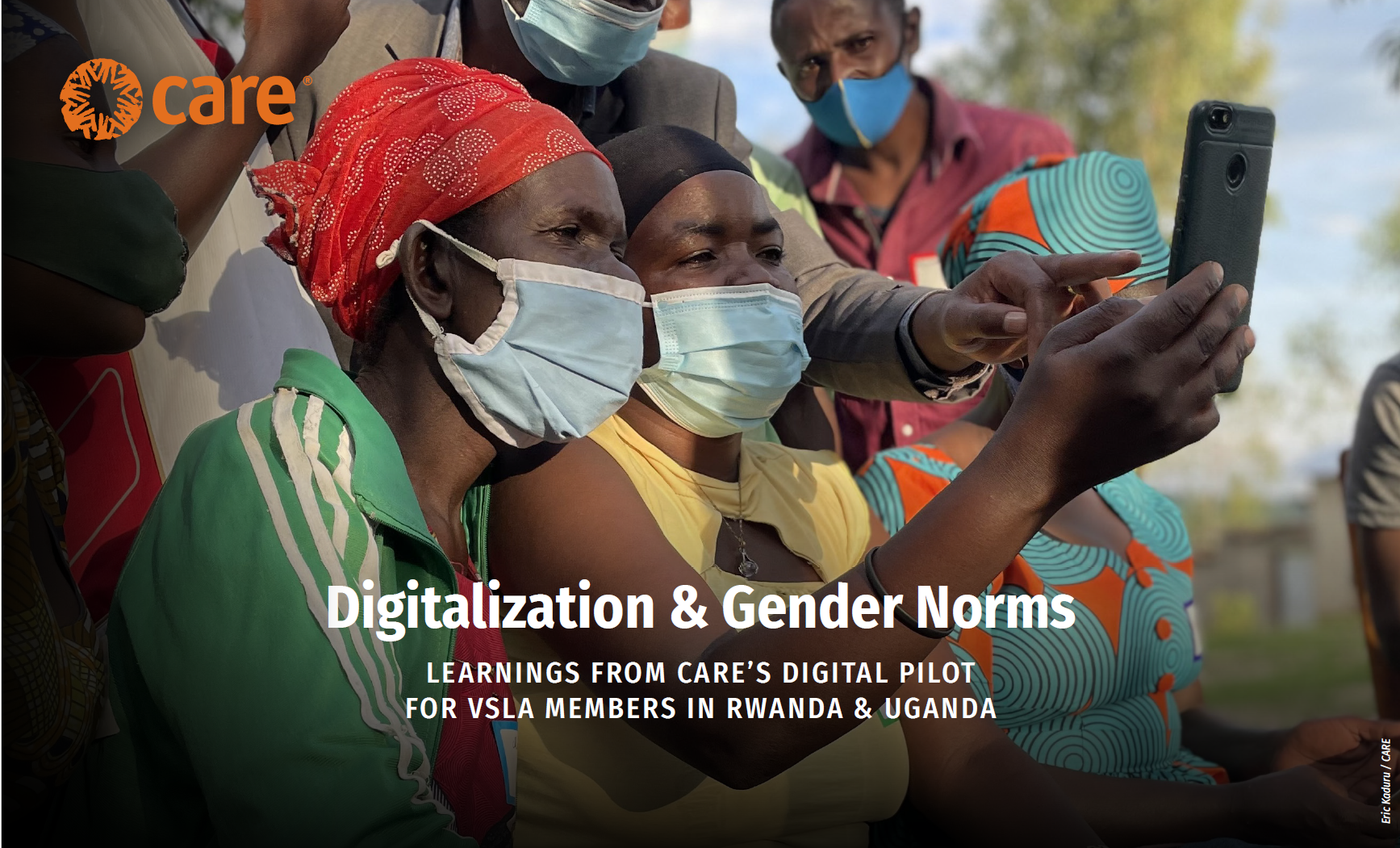
Digitalization & Gender Norms: Learnings from CARE’s Digital Pilot for VSLA Members in Rwanda & Uganda

Published by
Eric Kaduru
2025
CARE
View Resource

As the world becomes increasingly digital, many women—especially those in low-income, rural communities—are being left behind. This brief captures key insights from CARE’s pilot project supporting Village Savings and Loan Association (VSLA) members in Rwanda and Uganda to access and safely use digital tools. It highlights the social norms that prevent women from using smartphones, outlines CARE’s strategy to challenge these barriers through community engagement and inclusive training, and shares lessons on device access and user support. With findings based on research from 100 VSLA groups, this brief offers actionable guidance for those designing digital inclusion programs that are safe, accessible, and grounded in community realities.
Leave a Reply

View all comments

Related Resources

Read
Tool
Digital Inclusion Social Inclusion
Tool
Digital Inclusion Social Inclusion

SILC Pro-Poor Strategy

Catholic Relief Services
2025

SILC Pro-Poor Strategy

CRS’ SILC Pro-Poor Strategy promotes more inclusive savings groups by removing barriers that exclude the poorest. Through flexible policies, inclusive messaging, and equitable pricing, the approach helps ensure all community members—regardless of income—can benefit from group membership.
Read
Research
digital divide Digital Financial Services Digital Inclusion Digital Literacy
Enhancing Financial Inclusion COVER
Research
digital divide Digital Financial Services Digital Inclusion Digital Literacy

Lessons on Enhancing Women’s Financial Inclusion Using Digital Financial Services

Alliance for Financial Inclusion (AFI)
2022

Lessons on Enhancing Women’s Financial Inclusion Using Digital Financial Services

This special report, by AFI’s Digital Financial Services Working Group, examines the role of digital financial services (DFS) in enhancing and sustaining the access, use, and overall quality of financial services for women. The report includes a comprehensive analysis of the current body of knowledge and case studies of countries that have accelerated DFS policy […]